
Eczema and psoriasis have similar symptoms. It can be confusing to know which one is which. So, how do you tell the difference between eczema and psoriasis? Here’s what you need to know, plus expert tips on the best treatment in Chevy Chase.
Eczema and Psoriasis Symptom Similarities
These conditions can present with similar symptoms such as:
- Discolored skin
- Rash
- Itching or burning sensations
While they are sometimes mistaken for each other, in most cases the difference is striking to a skincare specialist. It is generally easy for a dermatologist to distinguish between the two. However, some areas such as the palms, soles, and groin areas can be harder to differentiate.
How to Tell the Difference Between Psoriasis and Eczema
To start, let’s look at the most accurate definition of each condition.
Psoriasis is a chronic immune mediated disease. It’s associated with systemic inflammation that can lead to other conditions like cardiovascular disease, type 2 diabetes, anxiety and depression.
Eczema, per the National Eczema Association, is the name given to a group of conditions that cause the skin to become itchy, inflamed, or have a rash like appearance. There are seven types of eczema, including:
- Atopic dermatitis
- Contact dermatitis
- Dyshidrotic eczema
- Nummular eczema
- Seborrheic dermatitis
- Stasis dermatitis
Psoriasis is more likely to occur in adults between 20-30 years old, with a second peak around age 60. On the other hand, eczema commonly begins in childhood and affects nearly 10 million children and 16 million adults.
What Causes Eczema?
Eczema doesn’t have a single cause. Flare-ups are often triggered by a combination of environmental and emotional factors. Environmental triggers can include things like allergens, irritants, pollutants, weather conditions, and infections. Emotional stress can also trigger flare-ups.
What Causes Psoriasis?
Psoriasis triggers can vary from person to person. They are often divided into non-genetic and environmental factors. Non-genetic factors include things like:
- Skin infections
- Gut health and imbalance
- Fat metabolism
- Hormone imbalance
- Mental health conditions
Environmental triggers that can provoke flare ups or worsen existing patches include things like skin trauma (cuts, burns, bug bites or sunburns), certain medications, and unhealthy lifestyle habits.
Key Difference Between Eczema and Psoriasis
Understanding the distinctions between the two can help guide treatment and management of the condition. Since both conditions require professional diagnosis and treatment, we highly recommend scheduling an appointment with a skincare specialist in Chevy Chase.
Appearance of Psoriasis vs Eczema
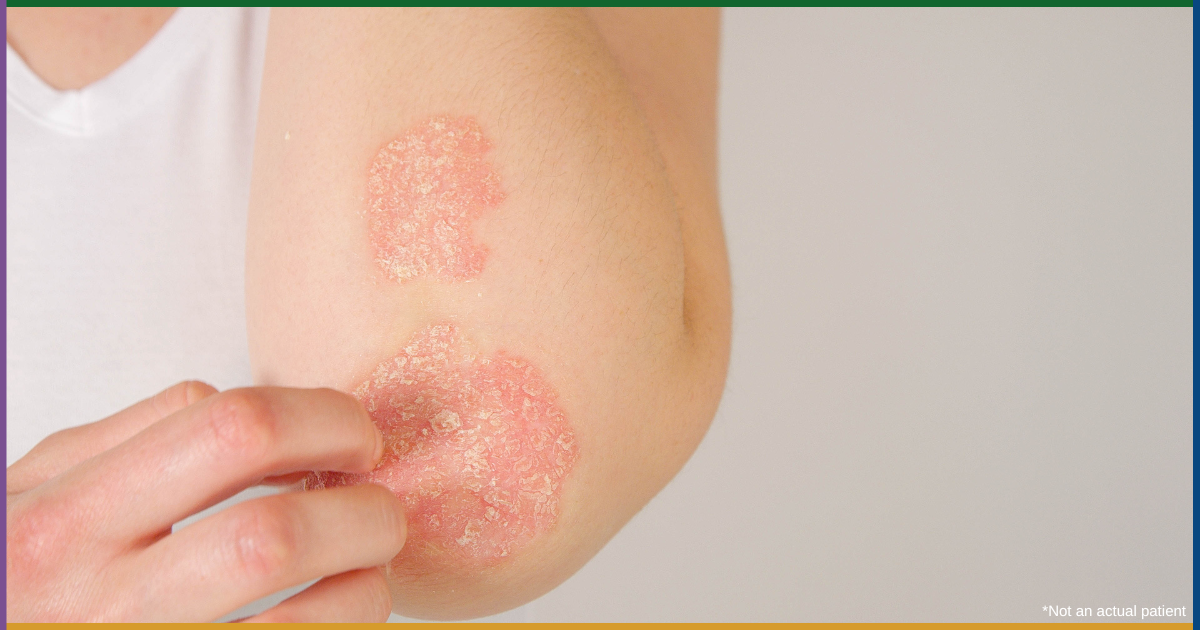
Psoriasis typically presents as red plaques with silvery scales on lighter skin or purple patches on skin of color. The plaques may be thick, raised, and cover a large area of skin. The patches typically have very defined borders and may appear in any location, including the scalp or hairline.
Eczema presents as thinner patches or dry, bumpy, red or brown skin with less defined borders. Infants usually present with tiny bumps on the cheeks, while children and adults often present with a rash in the creases and folds of the body such as the inner elbow, or behind the knees. On darker skin, eczema may appear a darker brown, purple or grey on darker skin tones.
Both conditions can cause burning or itchy skin, but psoriasis patients are more likely to complain or soreness or pain from cracking skin. They may also experience joint pain.
Treatment Differences in Psoriasis and Eczema
Effective treatment often involves a combination of topical, oral and injectable medications, along with other therapies and lifestyle changes tailored to each patient.
Treating Eczema
Managing eczema involves addressing skin barrier dysfunction and immune system overactivity. Options include:
- Moisturizers
- Topical antibiotics
- Corticosteroids
- Calcineurin Inhibitors
- JAK inhibitors
- Biologics
Psoriasis Treatment in Maryland
Treatment for psoriasis focuses on slowing down abnormal cell growth and controlling immune system response. Options include:
- Topical treatments
- Systemic medications
- Light therapy
- Biologics
Psoriasis vs. Eczema: An Accurate Diagnosis in Chevy Chase
If you are struggling with a persistent skin rash, you should speak to a dermatologist as soon as possible.
Cronin Dermatology specializes in skin cancer treatment, lasers, cosmetic procedures, acne treatment, and anti-aging treatments. Contact us today for a one-on-one consultation!